The question of when to visit Route 66 in Arizona has a clear answer for most travelers, and that answer is spring or fall. But “most travelers” covers a range of situations, and the specific timing decisions — month, week, even time of day for the drive — have enough variation to justify a fuller breakdown.
What follows is a season-by-season assessment of the Arizona Route 66 corridor experience, with specific attention to Seligman’s position at 5,200 feet elevation, which meaningfully shapes the temperature experience compared to lower-elevation Arizona destinations.
Spring: March Through May
Spring is the peak season for Route 66 travel in Arizona, and for good reason. Temperatures at Seligman’s elevation are comfortable throughout: daytime highs in the 60s to mid-70s Fahrenheit, overnight lows in the 40s to 50s. The landscape has green growth from winter precipitation. The light quality in the high desert at this time of year — long golden afternoons, clear air — is genuinely beautiful.
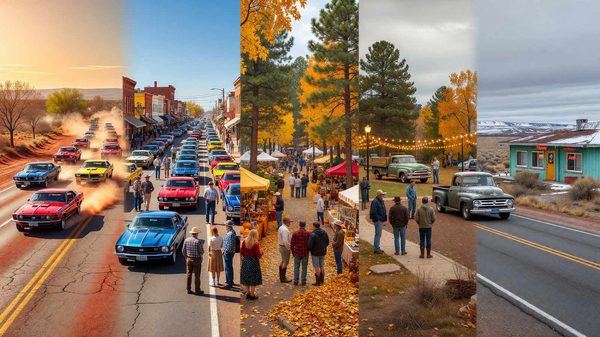
The Route 66 Fun Run, typically held in late April or early May (the first weekend in May has been the traditional timing, though dates shift), is the defining event of the spring season. The Fun Run is a three-day classic car caravan from Seligman to Topock, the oldest continuous Route 66 event in the country. It begins right in Seligman with a gathering at Angel Delgadillo’s barbershop and proceeds west along the historic corridor to Topock on the California border.
The Fun Run weekend is simultaneously the best time to be in Seligman — the town is full, the cars are extraordinary, the atmosphere is at its most celebratory — and the most difficult time for accommodation. Read the full Fun Run guide for specific planning details. Book accommodation in Seligman or Williams months in advance if you plan to attend.
Outside the Fun Run weekend, April and May offer the most reliably pleasant weather conditions on the corridor. The tourist season is underway but not at its summer peak; most businesses are operating on full hours; the desert wildflowers that bloom in years with adequate winter precipitation are at their best in March and April.
March caveats: Early March can still produce below-freezing overnight temperatures at Seligman’s elevation. The Snow Cap and some seasonal businesses may not yet be open. Check seasonal hours before planning around a specific stop.
Summer: June Through August
Summer on Route 66 in Arizona requires specific understanding of the elevation gradient. Seligman at 5,200 feet has summer temperatures that are dramatically cooler than the lower Arizona desert: daytime highs in the 80s to low 90s, overnight lows in the 50s and 60s. This is comfortable camping and driving weather by any standard.
The stretch between Seligman and Kingman drops in elevation as you drive west. By the time you reach the lower desert sections near Kingman and the Oatman area, summer temperatures can reach 105-110°F. This matters for vehicle cooling, personal hydration, and comfort if you are in an un-air-conditioned vehicle or doing anything other than driving with AC on.
The Arizona monsoon season (July and August) brings afternoon and evening thunderstorms to the corridor. These can be spectacular in the high desert — dramatic lightning over open country, the smell of rain on desert shrubs — and they can also produce brief heavy rain, flash flooding in low points, and dramatically reduced visibility. Check conditions before driving if a storm system is active.
Summer is peak tourist traffic season. Seligman receives more visitors in June through August than in any other period. Most businesses are operating on their most extended hours. The Snow Cap is open. Accommodation in Seligman and Williams fills earlier in the week than in shoulder seasons.
Summer consideration: The combination of peak visitors, adequate temperatures at elevation, and full business hours makes summer a legitimate choice for many travelers, particularly families with school-constrained schedules. The desert heat that limits other Arizona destinations is less severe at Seligman’s elevation.
Fall: September Through November
Fall is the second peak season, preferred by many experienced Route 66 travelers over spring because the monsoon season has ended, temperatures are cooling but remain pleasant through October, and the tourist crowds thin slightly from the summer peak while businesses continue to operate.
September and early October have Seligman daytime temperatures in the 70s to low 80s — ideal for outdoor exploration. The light in the high desert from September onward takes on the quality that makes desert Southwest landscapes particularly photogenic: lower sun angle, longer shadows, warmer tones.
The Hispanic Heritage Month events and various fall Route 66 events in communities along the corridor add some cultural programming to fall travel, though nothing at the scale of the spring Fun Run.
November: Early November (through mid-month) is typically still pleasant for Route 66 travel. Temperatures at Seligman drop into the 60s in the day and 30s at night; a light jacket is necessary but it is not cold. Late November brings the first reliable cold-weather risk and many seasonal businesses begin reducing or closing hours.
Winter: December Through February
Winter on Route 66 in Arizona is the honest off-season. Temperatures at Seligman can drop below freezing on any night from November through March, and occasional snow — Seligman sits in a landscape where several inches of snow per winter season is normal — is part of the picture.
Some businesses in Seligman close for the winter entirely, or reduce to weekend-only or appointment-only operation. The Snow Cap is not operating. Call ahead to any specific establishment you plan to visit.
The trade-off is that winter Route 66 travel has a distinctive character: the road to yourself, the small towns in their working rather than tourist mode, the landscape under occasional snow in a way that highlights the red and tan desert earth. For travelers who specifically want to see Seligman as a working small community rather than as a tourist destination, a quiet midwinter weekday is the moment that reveals it most clearly.
The road itself remains open in winter. Snow is cleared from the historic corridor when it falls. The Oatman Road can have ice on the mountain grades in winter — check conditions before attempting it in January or February.
Time of Day on the Drive
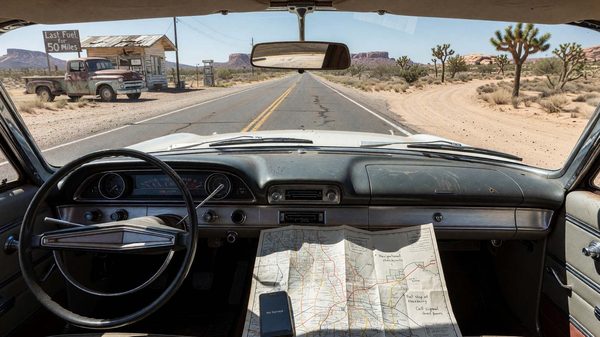
Regardless of season, the Seligman-to-Kingman drive has a preferred direction for photography. Driving west in the afternoon puts the low sun behind you and illuminates the desert ahead in warm light. Driving east in the morning achieves the same effect in reverse.
The worst time of day is midday in any season — high overhead light flattens the desert terrain and reduces the visual drama that makes the corridor memorable. If the drive is partly about the photography, time it for morning or late afternoon.
For the complete picture of what you will encounter in Seligman at any time of year, see our complete visitor’s guide to Seligman.
Frequently Asked Questions
What is the best month to visit Route 66 in Arizona?
April and May are generally the best months — comfortable temperatures, active businesses, good desert light, and the Route 66 Fun Run in early May for those who want the corridor’s biggest event. September and October are a close second, with similarly pleasant temperatures and slightly thinner crowds.
Is summer too hot for Route 66 in Arizona?
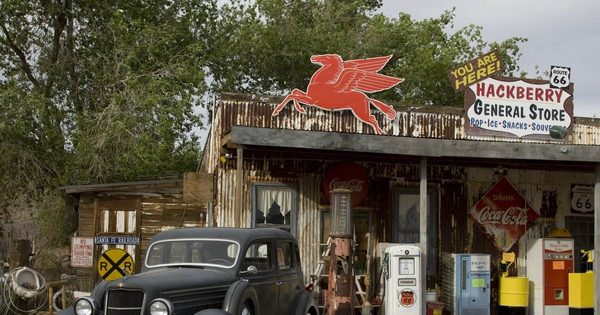
At Seligman’s elevation (5,200 feet), summer temperatures are comfortable — highs in the 80s to low 90s — and not comparable to the extreme heat of lower Arizona desert destinations. The stretch from Seligman to Kingman drops in elevation and is hotter, particularly below Hackberry. Summer is a legitimate travel season for the Arizona corridor.
Is Route 66 open in winter?
The historic Route 66 corridor in Arizona is open year-round. The road is maintained and clear of snow when it falls. Some seasonal businesses close or significantly reduce hours November through March. The Snow Cap in Seligman, Angel’s barbershop, and similar businesses have variable winter hours — call ahead for current status.
When is the Route 66 Fun Run?
The Fun Run has traditionally been held the first weekend in May, running from Seligman to Topock over three days. The specific dates shift slightly year to year. Check the Historic Route 66 Association of Arizona website for the current year’s dates and registration information.
Should I drive Route 66 east-to-west or west-to-east?
Most travelers drive it west-to-east (toward the historic beginning at Chicago) or east-to-west (toward the historic endpoint at Santa Monica). For the Arizona corridor specifically, driving east-to-west (Seligman toward Kingman) is the traditional direction. For photography, afternoon driving west puts the light behind you — considered the better light for this landscape.
Further Reading from Authoritative Sources
- Historic Route 66 Association of Arizona — Events Calendar — Current event listings including the Fun Run dates, town events, and seasonal business information.
- National Park Service — Route 66 Visitor Planning — NPS seasonal planning guidance for Route 66 travel, including weather considerations and event listings.